
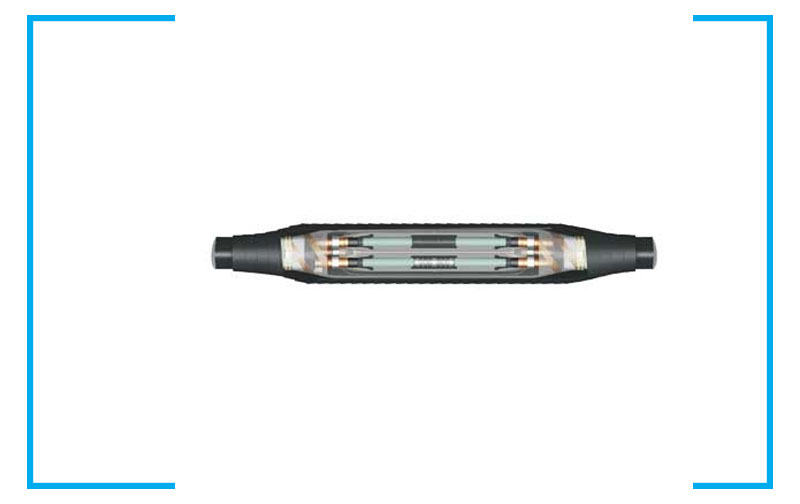
A cable connection may look like a small part of an electrical system, but its performance can affect the reliability of the entire network. A poorly protected joint can lead to insulation issues, unexpected failures, and costly repairs over time. That's why picking the right jointing method actually matters, especially once you're working with medium or high voltage systems. Cold shrinkable cable jointshave become a go-to option for a lot of installations, mainly because they let you connect underground and power cables without heat, torches, or a bunch of specialized tools.
Yamuna Power & Infrastructure Ltd. supports industries, utilities, and infrastructure projects with cable accessories designed for efficient power transmission and distribution requirements across different applications.
What Are Cold Shrink Cable Joints?
A Cold Shrink Cable Joint is a cable jointing solution designed to connect two power cables while restoring insulation, electrical continuity, and environmental protection. These joints are designed for different voltage levels and cable configurations, making them suitable for various low, medium, and high voltage applications depending on system requirements.
The big difference from traditional heat shrink joints is right there in the name: no flame, no external heat source needed during installation. The joint itself is a pre-expanded rubber sleeve that sits over the connection point. Once you pull out the supporting core inside it, the sleeve contracts on its own and forms a tight seal around the cable.
That gradual, controlled contraction is what keeps moisture, dust, and general environmental wear out of the joint, without sacrificing insulation strength. This constant radial pressure also helps maintain electrical insulation performance around the cable connection.
How Do Cold Shrink Cable Joints Work?
The working is simpler than people expect. A typical cable jointing kit comes with a silicone rubber or elastomer sleeve, pre-expanded and held open by a removable support tube. Once the cables are prepped and connected, the installer slides the sleeve into place over the joint.
Then comes the key step: pull the support tube out, and the sleeve shrinks evenly around the cable. That even contraction is what creates consistent pressure and closes off any gaps that might otherwise compromise the connection.
Because there's no heating equipment involved, installation ends up being quicker and considerably more practical in spots where safety and speed both matter.
Why Choosing the Right Cable Joint Matters
A cable joint is more than just a connection point. It becomes a critical part of the entire electrical system. Poor-quality joints or incorrect installation can lead to insulation breakdown, partial discharge, overheating, and unexpected failures.
Factors such as cable voltage rating, installation environment, and compatibility with existing cable systems should always be considered before selecting a jointing solution.
Why Are Cold Shrink Cable Joints Preferred?
The preference for cold shrink technology usually comes down to practical site conditions. Installers often need solutions that are safe, quick to handle, and capable of protecting cable connections in different environments.
Installation becomes easier because there is no requirement for heating equipment or open flames. This is especially useful at locations where safety restrictions or limited working space make traditional methods difficult.
The pre-expanded rubber sleeve creates consistent pressure around the cable connection. This helps maintain insulation performance and protects against moisture, dust, and changing environmental conditions.
Another practical advantage is flexibility. These joints can be used across different applications, including underground networks, industrial plants, and utility projects.
When installed correctly, they can also reduce the need for frequent maintenance by providing a stable and protected cable connection.
Factors to Consider Before Selecting Cold Shrink Cable Joints
Choosing a cable joint is not only about the product type. Several factors need attention before installation:
Voltage Rating: The joint should match the voltage level of the cable system to maintain safe operation.
Cable Compatibility: Different cables may have different sizes, insulation materials, and construction. The joint must be suitable for the specific cable design.
Installation Conditions: Underground environments, outdoor locations, and industrial sites may require different levels of protection.
Quality Standards: Products tested according to relevant industry standards provide better confidence in long-term performance.
Applications of Cold Shrink Cable Joints
Cold shrink technology shows up across a lot of sectors where solid cable connections aren't optional:
- Underground power distribution systems
- Industrial electrical networks
- Renewable energy projects
- Utility infrastructure
- Commercial buildings
- Telecommunication and control cable systems
They work just as well for brand-new installations as they do for repair jobs, which is part of why they've caught on so widely.
Industries, contractors, and utility projects across India use cable jointing solutions like cold shrink technology for underground and industrial power applications where dependable connections are required.
Take an underground power distribution project, for example. The cable joint remains exposed to conditions like moisture, soil pressure, and temperature changes. A properly selected cold shrink joint helps maintain insulation protection even in such demanding environments. This kind of reliability becomes especially important in locations where cable repairs can be difficult, expensive, or disruptive.
Cold Shrink Cable Joints vs Traditional Cable Jointing Methods
Traditional methods usually mean heating equipment, longer prep time, and a fair bit of careful handling to get right. Cold shrink technology simplifies the process by using the natural contraction of an elastomer sleeve instead of requiring external heat.
They also tend to deliver more consistent sealing pressure than you'd get with some conventional approaches, something that's not always easy to nail down otherwise. If speed, safety, and reliability are priorities on a project, cold shrink is worth serious consideration.
Choosing the Right Cold Shrink Cable Joint Supplier
Because cable joints have a direct effect on how the whole electrical system performs, who you buy from actually matters. Look for suppliers who back up their products with proper testing, clear technical specs, and options suited to the voltage range you're working with.
Yamuna Power & Infrastructure Ltd. provides cable accessories designed for different power transmission and distribution requirements, helping industries and infrastructure projects select suitable solutions based on their application needs. The right cable accessory selection depends on factors like operating voltage, cable design, and site conditions, which is why technical guidance plays an important role during project planning.
Know Why Cold Shrink Cable Joints Are a Smart Choice
Cold shrinkable cable joints provide a practical solution for connecting and protecting power cables where safety, consistent sealing, and easy installation matter. Their ability to perform without heat-based installation makes them suitable for modern electrical networks.
Looking for dependable cable jointing solutions for your next project? Yamuna Power & Infrastructure Ltd. offers quality cable accessories designed to support safe and efficient power distribution needs.
