
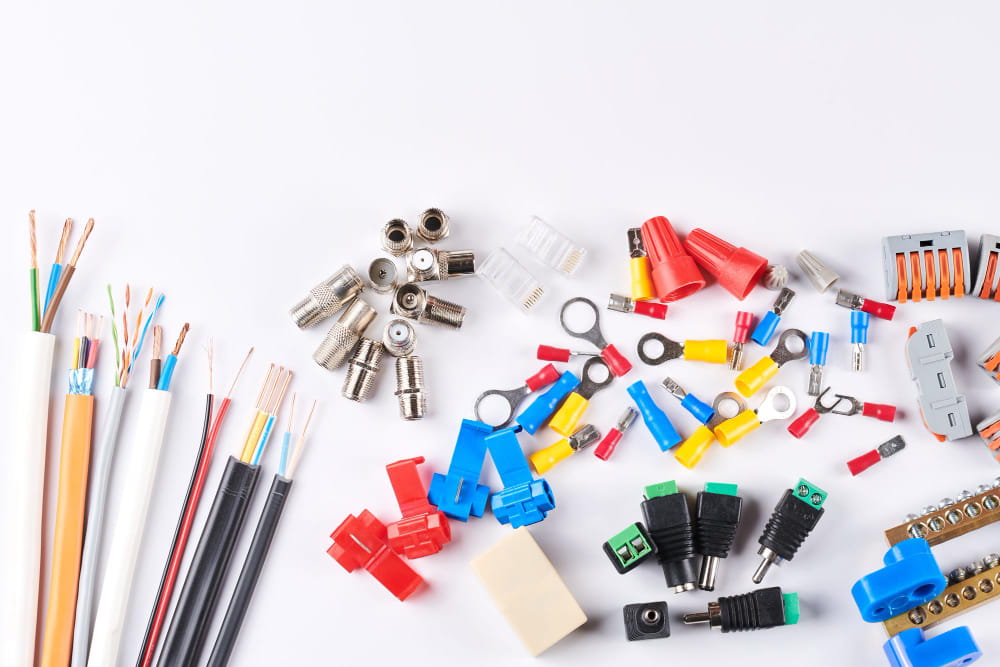
Any cable system is really only as strong as its weakest connection point. A joint that's damaged or poorly installed can throw off the whole network, cause insulation problems, power failures nobody saw coming, and repair bills that add up fast. That's exactly why proper cable jointing isn't something engineers can afford to treat as an afterthought. Cable Jointing Kits are designed to create secure connections between power cables while maintaining insulation, protection, and electrical performance.
You will find Cable Jointing Kits used across power distribution networks, industrial installations, renewable energy projects, and infrastructure developments where dependable cable connections are essential.
Yamuna Power & Infrastructure Ltd. supplies cable accessories built around the different demands of power transmission and distribution work. And honestly, understanding how these kits work and what tends to make joints fail in the first place goes a long way toward picking the right solution for your project.
What Are Cable Jointing Kits?
A Cable Jointing Kit is a set of components designed to connect two power cables while restoring insulation, electrical continuity, and environmental protection. Once cables are joined, that connection point needs just as much protection as the rest of the cable, arguably more, since it's the spot most likely to give first. That's the gap a well-designed jointing kit is built to close.
Typically, a kit includes insulation materials, stress control components, sealing parts, and protective layers, all working together to keep the joint electrically and mechanically sound.
Kits vary depending on cable type, voltage level, and where the installation is happening. Picking the right one comes down to things like cable size, the operating environment, and the physical location of the joint itself.
How Does Cable Jointing Work?
The process comes down to a few key steps: prepping both cable ends, connecting the conductors, rebuilding the insulation layer, and then protecting the whole joint from moisture, dust, and mechanical stress.
During installation, whatever insulation was removed or damaged gets replaced with the specialized materials that come in the kit. That's what keeps the electrical performance intact and helps avoid problems like insulation breakdown or current leakage down the line.
One thing worth flagging: installation quality matters just as much as the kit itself. Even a top-tier jointing kit can fail if the cable prep or fitting isn't done right.
Types of Cable Jointing Kits
Different applications require different types of cable jointing solutions. Some commonly used cable jointing kit types include:
Heat Shrink Cable Jointing Kits: These use polymer sleeves designed to shrink when heat is applied, contracting tightly around the joint to seal and insulate it. You'll see them a lot in power distribution networks, industrial systems, and underground cable work.
Cold Shrink Cable Jointing Kits: Instead of heat, these rely on pre-expanded rubber sleeves that shrink naturally once the supporting core is pulled out. No heating equipment needed — which makes them a solid choice anywhere an open flame just isn't practical.
Resin Cable Jointing Kits: These use an insulating compound that fills the joint area directly, offering strong protection against moisture and general environmental exposure.
Which type makes sense really depends on the project, cable specs, installation conditions, and what the job actually calls for.
Common Reasons Behind Cable Joint Failure
Cable joint failures usually happen due to installation mistakes, unsuitable products, or harsh operating conditions. Some common causes include:
Poor Installation Practices: Incorrect cable prep, sloppy sealing, or skipping steps in the installation guidelines all affect joint performance.
Wrong Cable Joint Selection: Using a jointing kit that doesn't match the cable size, voltage rating, or environment is a fast way to end up with a weak connection.
Moisture Entry: Water and moisture entering the joint area can damage insulation and create electrical faults.
Mechanical Stress: External pressure, vibration, or movement over time can gradually weaken even a well-made joint.
Lack of Maintenance: Without regular inspection, small issues have plenty of time to turn into bigger failures before anyone notices.
How to Reduce Cable Joint Failure?
Getting reliable performance out of a cable joint comes down to three things: decent product quality, careful installation, and staying on top of maintenance. A few habits make a real difference:
Stick to the manufacturer's guidelines: Install joints the way they're meant to be installed. Correct cable prep, proper fitting technique, and using the right materials all matter more than people tend to assume.
Don't skimp on materials: Go with joints built from materials that actually suit the cable type, voltage level, and environment they'll be working in. The right components mean better insulation protection and a longer service life overall.
Keep up with inspections: Routine checks catch early warning signs like moisture creeping in, insulation starting to wear before they turn into full failures. Regular testing and preventive maintenance pay for themselves in reduced downtime.
Make sure installers are properly trained: Cable jointing should be handled by people who genuinely understand safety practices, cable prep, and correct installation methods, not left to guesswork.
Handle cables with care during installation: Skip unnecessary bends, avoid unneeded cuts, and keep mechanical stress to a minimum. Protecting cables from moisture, dust, and physical damage during the work itself goes a long way toward preserving joint strength.
Consider an underground cable installation, where joints remain exposed to moisture, soil pressure, and changing temperatures. Even a small gap in sealing can gradually affect insulation performance and increase the risk of failure. Regular inspections help identify these issues early, reducing the chances of unexpected downtime.
Why Proper Cable Jointing Matters
Cable jointing isn't a minor detail; it plays a real role in keeping electrical networks safe and performing well. The right kit protects the connection, keeps insulation strength where it needs to be, and cuts down significantly on the odds of an unexpected failure down the road.
Looking for reliable Cable Jointing Kits for your next project? Yamuna Power & Infrastructure Ltd. offers cable jointing solutions designed to support safe and efficient power transmission and distribution applications.
